

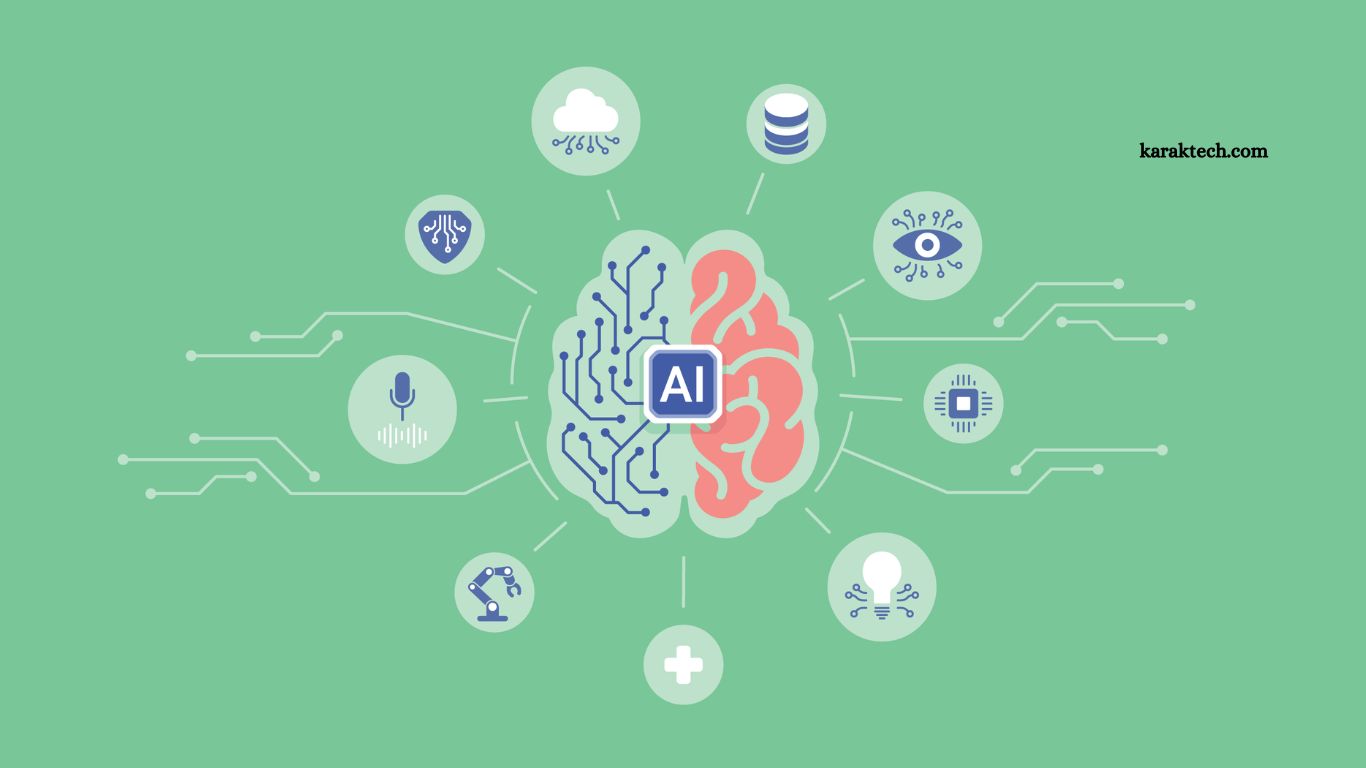
Artificial Intelligence has become one of the most powerful technologies shaping the modern world. From smartphones and search engines to healthcare and business tools, AI helps systems perform tasks that once required human intelligence. Understanding what AI is and how it works allows users to better appreciate the technology behind everyday digital experiences.
AI operates by analyzing data, learning patterns, and making decisions through advanced algorithms and machine learning models. Rather than replacing humans, AI enhances efficiency, accuracy, and problem-solving across many industries. As technology continues to evolve, AI plays a growing role in innovation and automation. This introduction explains the core concept of artificial intelligence and the basic processes that allow machines to learn, adapt, and deliver intelligent results.
Read More: Upcoming Gadgets Worth Waiting For
What Is Artificial Intelligence?
Artificial Intelligence refers to computer systems designed to perform tasks that normally require human intelligence. These tasks include learning from data, recognizing speech, understanding images, solving problems, and making decisions.
AI does not think like a human brain. Instead, it uses data, algorithms, and computing power to find patterns and produce results. The goal of AI is efficiency, accuracy, and speed.
How Does AI Work?
AI works by combining large amounts of data with smart algorithms. These algorithms allow machines to learn from examples and improve performance over time.
Data Collection
AI systems start with data. This data may include text, images, videos, numbers, or sounds. More quality data leads to better AI performance.
Algorithms and Models
Algorithms are sets of rules that tell computers how to process data. AI models use these algorithms to find patterns, make predictions, or classify information.
Machine Learning
Machine learning is a key part of AI. It allows systems to learn from data without direct programming. The system improves accuracy as more data becomes available.
Deep Learning
Deep learning uses neural networks inspired by the human brain. These networks handle complex tasks like voice recognition, image analysis, and language translation.
Continuous Improvement
AI systems adjust performance through feedback. When results improve, the system becomes more reliable and useful.
Types of Artificial Intelligence
Narrow AI
Narrow AI focuses on one specific task. Examples include voice assistants, recommendation systems, and facial recognition tools.
General AI
General AI aims to perform any intellectual task a human can do. This type remains under research and development.
Super AI
Super AI describes a future concept where machines exceed human intelligence. This level of AI does not exist today.
Real World Examples of AI
AI already plays a major role across many industries.
- Search engines deliver better results
- Online stores recommend products
- Cars use AI for navigation and safety
- Banks detect fraud faster
- Healthcare systems support diagnosis
These applications save time and improve decision-making.
Benefits of Artificial Intelligence
AI offers many advantages across personal and professional environments.
- Faster data analysis
- Reduced human error
- Improved customer experience
- Automation of repetitive tasks
- Better business insights
Organizations use AI to increase productivity and innovation.
Challenges and Limitations of AI
Despite strong benefits, AI also presents challenges.
- High development costs
- Data privacy concerns
- Bias in training data
- Limited emotional understanding
- Dependence on quality data
Responsible development remains essential for long-term success.
Future of Artificial Intelligence
AI continues to evolve rapidly. Future systems will become more adaptive, personalized, and integrated into daily life. Industries such as education, healthcare, and transportation will see major transformation.
Human involvement will remain important. AI supports decision-making but does not replace human creativity, ethics, or judgment.
Why AI Matters Today
Artificial Intelligence changes how people work, learn, and communicate. Understanding AI helps individuals and businesses adapt to digital transformation and future opportunities. Learning how AI works empowers better use of technology in a fast-changing world.
Frequently Asked Questions
What Is AI in Simple Words?
AI is technology that helps machines learn, think, and make decisions using data. It allows computers to perform tasks that usually need human intelligence.
How Does Artificial Intelligence Learn?
AI learns by analyzing data and finding patterns. With machine learning, systems improve performance through experience without manual programming.
Is AI the Same as Machine Learning?
No. AI is the broader concept. Machine learning is a part of AI that focuses on learning from data and improving results over time.
Where Is AI Used Today?
AI is used in smartphones, search engines, online shopping, healthcare, banking, education, transportation, and customer support systems.
Can AI Think Like Humans?
AI does not think or feel like humans. It processes information based on data and algorithms, not emotions or consciousness.
Is AI Safe to Use?
AI is safe when developed and used responsibly. Risks include data privacy issues and biased results, which require careful management.
Conclusion
Artificial Intelligence continues to shape the digital world by making systems smarter, faster, and more efficient. It works by using data, algorithms, and learning models to perform tasks that once required human intelligence. From daily tools to advanced business solutions, AI improves accuracy, saves time, and supports better decision making.
