
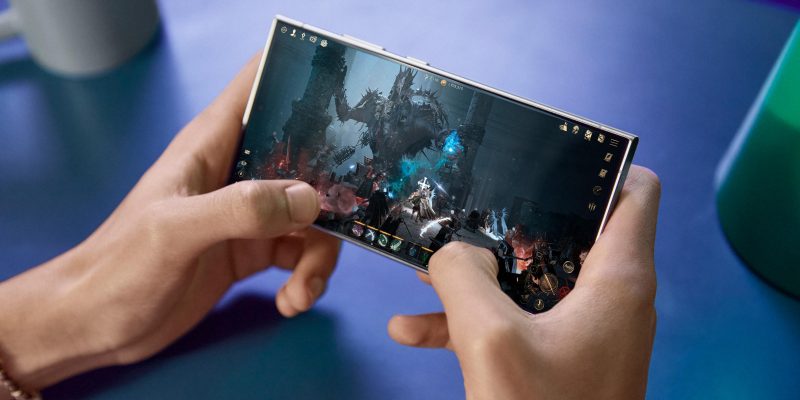
People open mobile pages with almost no patience left. By the time someone lands on a fast game screen, they have usually already checked messages, scrolled a feed, opened two or three tabs, and ignored something else competing for attention. That changes what a page has to do in the first few seconds. It cannot rely on noise. It cannot expect the user to study the layout. The screen has to make sense immediately. If the first view feels crowded, the whole experience starts with friction. If it feels clean and readable, the person settles in without even thinking about it.
The main action should never compete with the rest of the screen
A lot of weak pages make the same mistake. They try to make every section feel important at once. One block is oversized. Another is flashing. A third is loaded with color or motion for no real reason. The user sees activity, but not direction. That is where the page begins to lose people. A fast layout works best when one area clearly leads and everything else supports it.
With aviator game app, the page feels stronger when the main visual zone stays dominant and the surrounding parts stop trying to become equal stars. The user should know where to look first without scanning the whole screen two or three times. Once that center is obvious, the pace of the page starts feeling sharper. The mechanic carries the tension. The interface simply makes that tension easier to follow.
Good product logic feels calm underneath the speed
One thing strong tech products usually understand is that movement works better when the structure underneath it stays quiet. The page can still feel active, but the frame holding it together needs discipline. That is what makes a screen feel built instead of decorated. If the layout is full of restless pieces all pushing at once, the user starts spending attention on the wrong problem. They are reading the interface instead of reacting to the experience.
This is where product logic matters more than flashy design. A better page decides what deserves the first glance, what belongs in support, and what can wait until later. That kind of visual hierarchy does not make the screen boring. It makes it usable. On fast mobile pages, usability is what gives speed its real effect. When the route is obvious, the user moves faster because the screen is helping instead of interrupting.
Small interface choices shape the mood much more than people think
Most of the polish on a page comes from details that do not call attention to themselves. Spacing that gives the eye a pause. Cards that follow one clear pattern. Buttons that look tappable without yelling. Labels that sound ordinary instead of overworked. These things seem minor in isolation, but together they decide whether the screen feels smooth or tiring. People notice that difference quickly, even when they never explain it in design language.
Mobile use exposes weak structure right away
A design that looks passable on desktop can feel much worse on a phone. Smaller screens leave less room for bad decisions. Extra panels feel heavier. Repeated accents get annoying faster. Weak grouping becomes obvious because there is nowhere for it to hide. Since so many visits happen on mobile, the page has to work under real conditions, not ideal ones. Someone may open it with one hand, switch away, come back a minute later, and expect the whole thing to still make sense.
That means the page should survive interruption. The main area needs to remain easy to find. Supporting sections should stay secondary. Nothing important should feel buried under decorative clutter. A stronger mobile page respects broken attention because broken attention is normal now. Once the interface accepts that reality, the whole experience starts feeling more natural.
Repeat visits depend on memory more than novelty
The first visit can run on curiosity. The second one depends on whether the page was easy to remember. People build screen memory very quickly. They remember whether the layout felt simple or irritating, whether the useful area was obvious, and whether the whole thing looked under control. That memory matters because fast game pages are rarely used in one long, uninterrupted session. They are opened, closed, revisited, and checked again later.
A page that respects memory becomes much easier to reopen. The main zone still looks like the main zone. The surrounding elements still behave the way the user expects. That familiarity lowers effort. Lower effort is what keeps people coming back instead of quietly dropping off after the first visit. In a crowded digital space, that is a real advantage.
Strong fast pages feel built, not overworked
There is a big difference between a page that looks busy and a page that feels well made. Busy pages chase attention from every direction. Better pages know exactly where attention should go and stop there. That kind of control is what makes the whole experience feel sharper from the first seconds.