

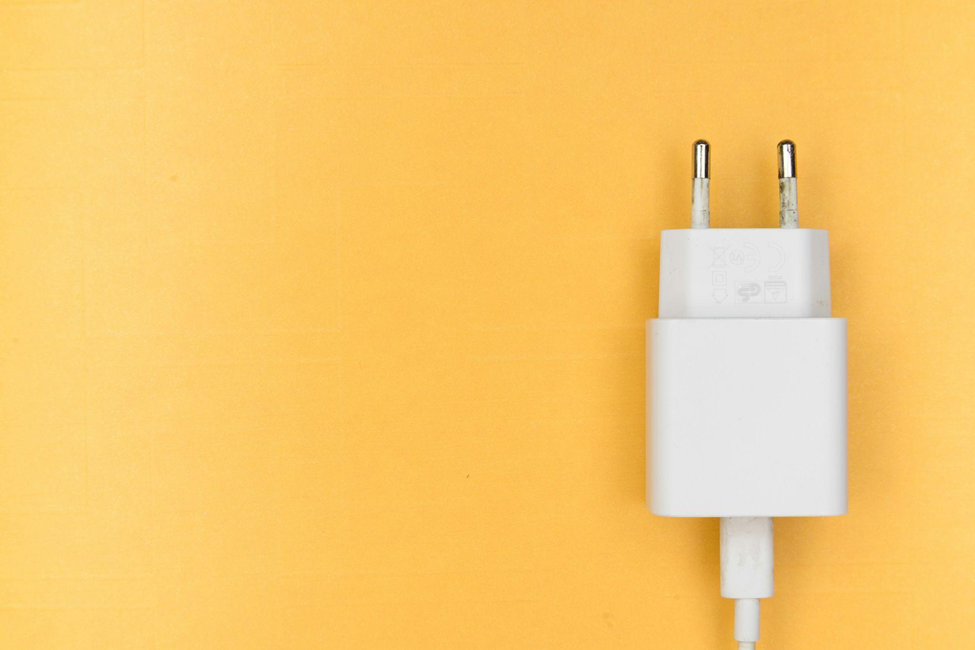
A counterfeit charger looks convincing on the shelf and often costs a fraction of the branded one, which is exactly why so many end up in Indian homes. The damage rarely shows on day one. It shows six weeks later when the battery swells, the port melts, or the phone refuses to boot after a monsoon power cut.
Some readers who spend long evenings on a casino game tower rush session, or on any instant round that keeps the screen bright for an hour at a stretch, notice charger problems faster than most because the phone stays under load while charging and any weakness in the adapter surfaces quickly.
Physical Tells You Can Read in the Shop
Most counterfeits fail the hand test before the multimeter test. Genuine adapters are moulded to tight tolerances, and the small details cost money that cloners refuse to spend. A minute of careful inspection saves a phone worth thirty thousand rupees or more.
Weight, Seams, and Print
Pick up the adapter. A real one feels denser because the transformer, capacitors, and shielding inside are actual components rather than plastic filler or a cheap switching board. Run a fingernail along the seam between the two shell halves. Genuine units show a hairline joint you can barely feel. Fakes leave a ridge, sometimes with dried glue peeking out.
Printed text on a real charger is sharp, evenly spaced, and survives a light rub with a damp cloth. Smudged fonts, misaligned certification marks, or a model number that does not match the official spec sheet are immediate red flags.
Pins, Port, and Cable Strain Relief
The pins on a genuine Indian three-pin adapter are nickel plated, uniform in colour, and set firmly into the housing. Wobbly pins mean poor internal soldering. Look inside the USB port with a torch. Real ports have a clean tongue with even gold plating on the contacts.
Counterfeits often show rough solder, uneven plating, or a tongue that sits crooked. If the cable is bundled, check the strain relief where the cable meets the plug. A genuine boot is flexible but firm. A fake one either snaps stiff or feels like soft rubber that will tear within a month.
What the Numbers on the Label Really Mean
The label is not decoration. Every genuine adapter sold in India must carry a BIS registration number, and the electrical figures printed on it must add up. Reading them takes thirty seconds once you know the pattern.
Compare the claimed output against the actual behaviour when you plug the adapter into a phone that shows charging wattage in its battery settings. A wide gap between label and reality is the single strongest indicator of a fake, and it is measurable at home.
| Label Claim | Genuine Charger Behaviour | Fake Charger Behaviour |
| Output 5V 3A or 9V 2A | Voltage steady under load, minor ripple | Voltage sags below 4.5V once the phone draws current |
| BIS registration number | Verifiable on the manak online portal | Number missing, printed crooked, or returns no match |
| Weight around 40 to 60 grams for a 20W unit | Feels substantial in the palm | Feels hollow, often under 25 grams |
Building a Safer Charging Habit at Home
The best defence is a small routine rather than a one-time inspection. Buy adapters only from the phone maker or from sellers who carry verifiable invoices. Keep the original charger on your primary phone and demote suspect units to old devices you no longer depend on. Label each adapter with a marker, so a guest does not grab the wrong one.
Replace any charger that has taken a hard fall or survived a liquid spill because internal insulation cracks in ways you cannot see. Adults who game or stream on a phone while it charges should treat charger quality as part of the setup, not an afterthought, and eighteen-plus users who spend on entertainment platforms should remember that any activity involving money belongs to leisure hours and to whatever rules apply in their state. A safe adapter is cheap insurance for a device that already carries a large part of daily life.
