

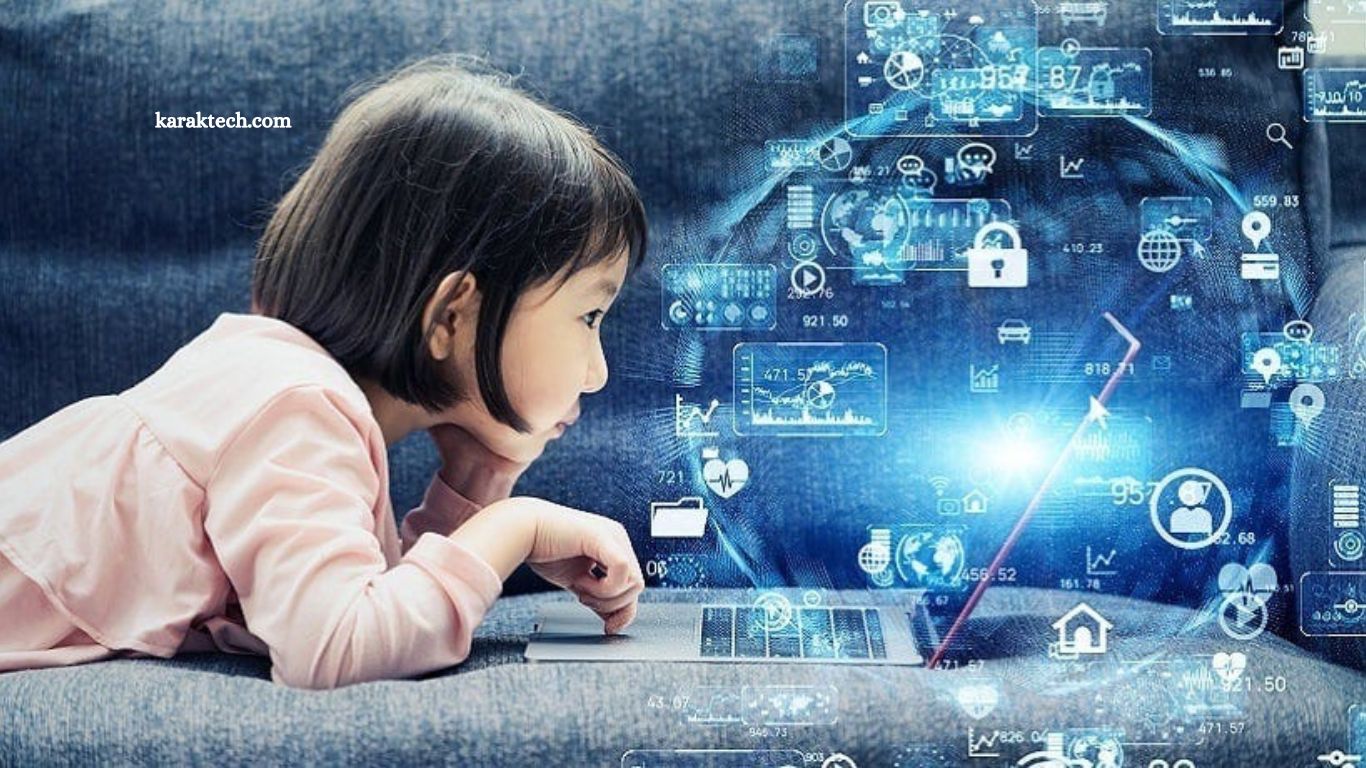
Future Tech Innovations That Will Transform Your Life are shaping a new era of human progress and digital transformation. Rapid advancements in artificial intelligence, robotics, quantum computing, and immersive technologies are redefining how people live, work, and communicate.
These innovations are not limited to laboratories anymore; they are becoming part of everyday life. From smart homes to advanced healthcare systems, future technologies promise greater convenience
Read More: Top Technology Stories Trending Globally Today
Artificial Intelligence Becoming Everyday Intelligence
Artificial Intelligence (AI) is shifting from a specialized tool into a daily digital companion. Modern systems already assist with writing, scheduling, coding, and customer support, but the next generation will go much further. Future AI will function as a personalized life manager. It will anticipate needs before requests are made, automate complex workflows, and deliver real-time decision support.
In business environments, AI will handle data analysis, forecasting, and operational optimization with near-perfect speed. On a personal level, AI assistants will manage health tracking, learning paths, financial planning, and home automation through unified systems that adapt continuously to user behavior.
Hyper-Connected Smart Environments
Smart homes are evolving into fully integrated smart environments. Instead of controlling individual devices, entire ecosystems will respond intelligently to human presence and behavior. Lighting, temperature, security, and entertainment systems will coordinate automatically.
Cities will also adopt smart infrastructure, using sensors and connected networks to reduce traffic congestion, optimize energy consumption, and improve public safety. This shift toward ambient computing will make technology less visible but more influential in everyday life.
Advanced Robotics in Daily Life
Robotics is expanding beyond industrial factories into homes, hospitals, and public services. Future robots will support elderly care, assist in surgeries, manage logistics, and perform household tasks. Unlike traditional machines, these robots will learn continuously through AI integration.
They will adapt to environments, recognize human emotions, and execute tasks with higher precision and safety. Service industries will experience major transformation as robots handle repetitive or physically demanding roles, allowing humans to focus on creative and strategic work.
Breakthroughs in Healthcare Technology
Healthcare innovation is entering a predictive and preventive phase. Wearable devices already track vital signs, but future systems will detect diseases before symptoms appear. Advanced biosensors, genetic analysis, and AI diagnostics will enable personalized treatment plans tailored to individual DNA profiles.
Remote surgery using robotic systems will allow specialists to operate across continents with zero physical boundaries. Regenerative medicine and bioengineering will also advance, potentially enabling tissue repair, organ regeneration, and extended human healthspan.
Immersive Digital Worlds and Extended Reality
Virtual Reality (VR), Augmented Reality (AR), and Mixed Reality (MR) are merging into Extended Reality (XR). This evolution will redefine entertainment, education, and professional collaboration. Instead of traditional screens, users will interact with fully immersive environments.
Students will explore historical events in 3D simulations, engineers will design structures in virtual spaces, and remote teams will collaborate as if physically present in the same room. The boundary between physical and digital life will continue to blur, creating new opportunities for creativity and communication.
Next-Generation Transportation Systems
Transportation is undergoing radical transformation through electric mobility, autonomous vehicles, and high-speed travel systems. Self-driving cars will improve road safety by reducing human error. Electric vehicles will become standard due to advancements in battery efficiency and renewable energy integration.
In addition, hyperloop and advanced rail systems may significantly reduce long-distance travel time. Urban air mobility, including drone taxis, is also in development and could redefine how people move within crowded cities.
Quantum Computing Power Revolution
Quantum computing represents one of the most powerful technological shifts ahead. Unlike traditional computers, quantum systems solve complex problems by processing multiple possibilities simultaneously. This capability will impact cryptography, material science, climate modeling, and drug discovery.
Problems that currently take years to compute may be solved in seconds. As quantum technology matures, industries relying on large-scale computation will experience unprecedented acceleration.
Sustainable and Green Technology Growth
Future innovation is strongly tied to sustainability. Clean energy technologies such as advanced solar panels, fusion energy research, and smart grids will reduce global dependence on fossil fuels. Carbon capture systems and eco-engineering solutions will help restore environmental balance.
Smart agriculture powered by AI and IoT will optimize food production while reducing waste and resource consumption. Sustainability will no longer be optional; it will become a core design principle in every technological development.
Frequently Asked Questions
What is the biggest future tech innovation?
Artificial Intelligence is considered the biggest innovation due to its impact on automation, decision-making, and daily life assistance.
How will AI change everyday life?
AI will manage tasks like scheduling, health tracking, shopping, learning, and home automation with minimal human effort.
What is smart environment technology?
It is a system where devices and infrastructure connect and respond automatically to human behavior and needs.
Will robots replace human jobs?
Robots will replace repetitive tasks but also create new job opportunities in tech, management, and creative fields.
What is Extended Reality (XR)?
XR combines VR, AR, and MR to create immersive digital environments for work, education, and entertainment.
Why is quantum computing important?
Quantum computing solves complex problems much faster than traditional computers, helping in science, medicine, and security.
Conclusion
Future tech innovations are not isolated advancements—they are interconnected systems reshaping human life. From AI-driven intelligence to immersive realities, from healthcare breakthroughs to quantum computing, the world is moving toward a more automated, efficient, and intelligent future.
