

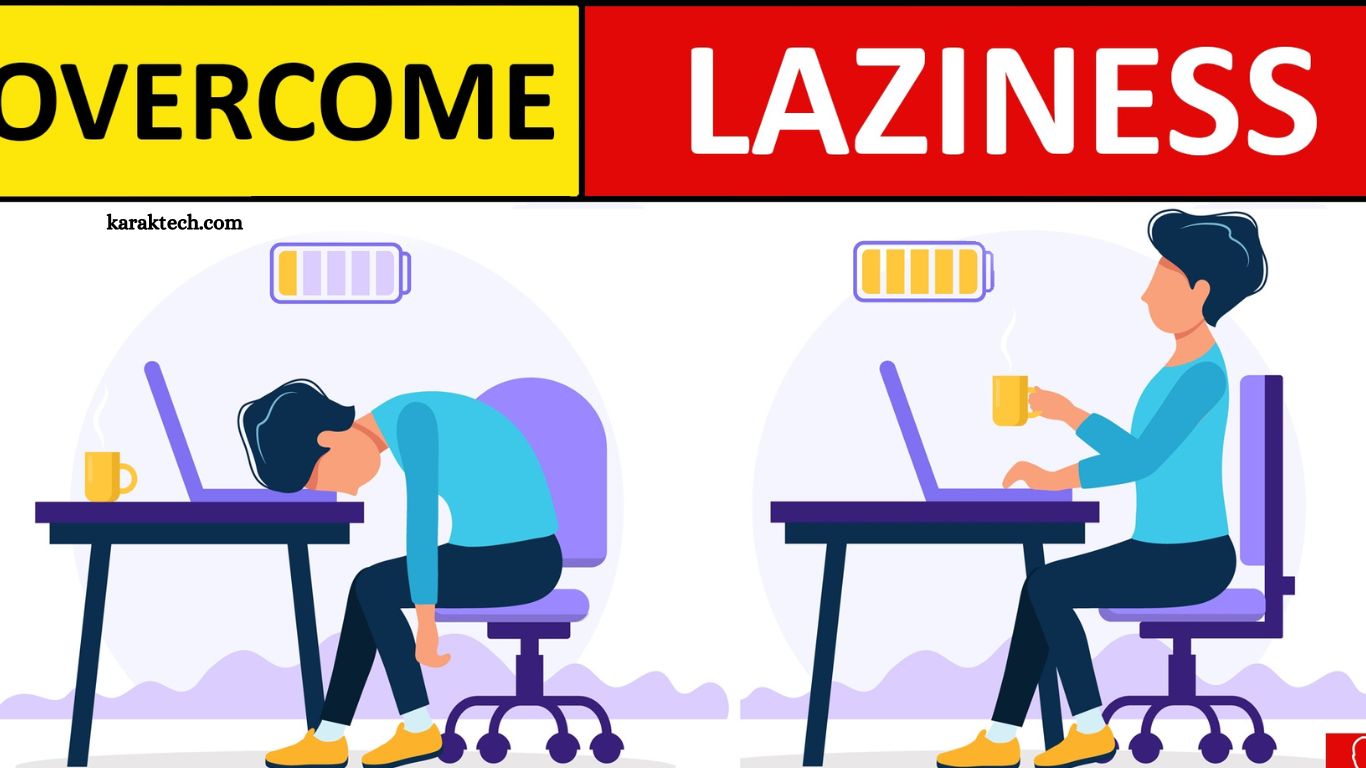
Laziness can feel like a constant barrier between intention and action. Many people struggle with low motivation, delayed tasks, and unproductive routines. The good news: productivity is not about working harder—it is about working smarter with the right mindset and habits.
This guide explains practical strategies to overcome laziness and build consistent daily productivity in a simple, human-centered way.
Read More: Top Inspirational Quotes That Will Boost Your Confidence Instantly
Understand the Root of Laziness
Laziness is rarely pure unwillingness to act. It often comes from deeper causes:
- Lack of clear goals
- Fear of failure or perfectionism
- Mental fatigue or burnout
- Overwhelm from large tasks
Instead of labeling yourself as lazy, identify what is really holding you back. Awareness creates control.
Start with Small, Clear Goals
Big goals can feel intimidating. Break them into smaller, manageable steps.
Example:
Instead of “finish project,” start with:
- Open document
- Write the first paragraph
- Edit one section
Small wins build momentum. Momentum builds discipline.
Use the 5-Minute Rule…
Commit to working on a task for just five minutes. No pressure beyond that. Most of the time, starting is the hardest part. Once you begin, your brain shifts into action mode and continues naturally.
Build a Simple Daily Routine
Consistency removes decision fatigue. A basic routine keeps your day structured.
Sample structure:
- Morning: Plan top 3 tasks
- Midday: Focused work session
- Evening: Review progress
Avoid overloading your schedule. Simplicity increases success.
Eliminate Distractions
Distractions destroy productivity. Reduce them intentionally.
- Silence unnecessary notifications
- Keep the workspace clean
- Use website blockers if needed
Focus improves when the environment supports your goals.
Focus on Energy, Not Just Time
Productivity depends more on energy than hours worked.
Improve energy by:
- Getting enough sleep
- Eating balanced meals
- Taking short breaks
Working while exhausted leads to poor results and more procrastination.
Apply the “One Task at a Time” Rule
Multitasking reduces efficiency. Focus on one task fully before switching.
Single-tasking improves:
- Quality of work
- Speed of completion
- Mental clarity
Finish more by doing less at once.
Reward Progress
Your brain responds to rewards. Celebrate small achievements.
- Take a short break
- Enjoy a treat
- Acknowledge progress
Positive reinforcement builds long-term motivation.
Remove Perfectionism
Perfectionism often leads to delay. Aim for progress, not perfection. Done is better than perfect. You can always improve later—but you cannot improve what does not exist.
Stay Accountable
Accountability increases commitment.
- Share goals with a friend.
- Track progress daily
- Use a checklist
Seeing progress visually keeps motivation alive.
Create a Productive Mindset
Your thoughts influence your actions.
Replace:
- “I don’t feel like I… t..”
with - “I will start small and build momentum.”
Discipline grows through action, not waiting for motivation.
Frequently Asked Questions
What causes laziness?
Laziness often comes from a lack of clear goals, low energy, fear of failure, or feeling overwhelmed.
How can I stop procrastinating quickly?
Start with a small task and use the 5-minute rule to build momentum.
Does routine help productivity?
Yes, a simple daily routine reduces decision fatigue and improves consistency.
How do I stay focused during work?
Eliminate distractions, work on one task at a time, and take short breaks.
Can lack of sleep affect productivity?
Yes, low energy from poor sleep reduces focus, motivation, and efficiency.
Is perfectionism harmful to productivity?
Yes, it delays action. Focus on progress instead of perfect results.
Conclusion
Overcoming laziness is a gradual process that depends on discipline, awareness, and consistent action. When you break tasks into small steps, build simple routines, and focus on steady progress, productivity becomes a natural habit rather than a struggle. The key is to start before you feel fully ready and keep improving each day.
