

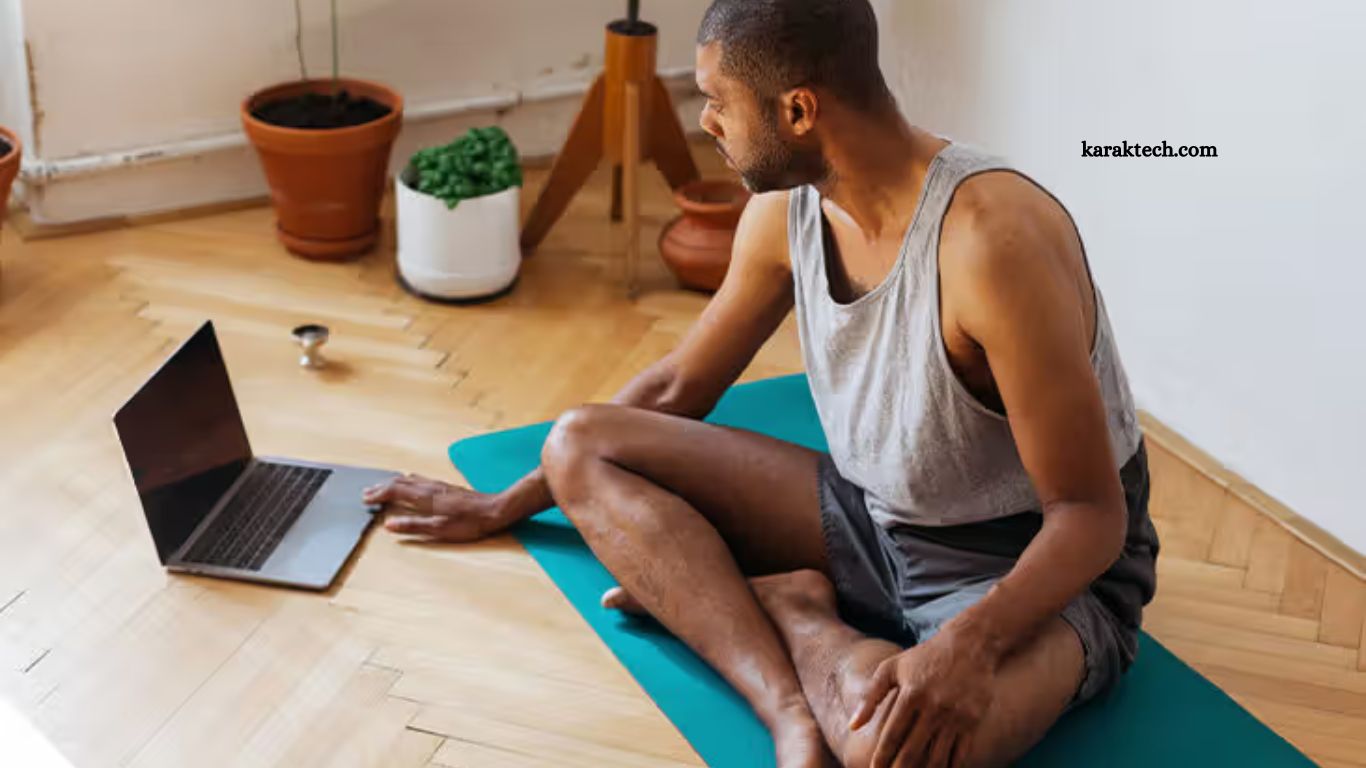
Modern life brings constant pressure. Work demands, family duties, financial concerns, health worries, and digital overload all create mental tension that slowly builds into stress and anxiety. When ignored, this pressure affects sleep, mood, concentration, digestion, relationships, and overall quality of life.
The good news: effective relief does not always require expensive treatments or medication. Many natural home-based methods can calm the nervous system, relax the mind, and restore emotional balance. This guide explains practical, science-supported, easy-to-follow ways to reduce stress and anxiety naturally from the comfort of home.
Read More: 10 Simple Ways to Improve Your Mental Health Daily
Understanding Stress and Anxiety Before Treatment
Stress is the body’s response to pressure, challenge, or demand. Anxiety is the mental and emotional reaction that creates fear, nervousness, racing thoughts, and uneasiness. Short-term stress can help in urgent situations. Long-term stress becomes harmful.
Common signs include:
- Constant overthinking
- Fast heartbeat
- Muscle tightness
- Poor sleep
- Irritability
- Low energy
- Panic feelings
- Difficulty focusing
- Digestive discomfort
- Emotional exhaustion
Natural healing starts by calming both body and mind.
Practice Deep Breathing for Instant Calm
Breathing directly affects the nervous system. Shallow breathing tells the brain danger is present. Slow deep breathing sends a safety signal.
A simple breathing exercise:
- Sit comfortably
- Inhale slowly through the nose for 4 seconds
- Hold for 4 seconds
- Exhale gently for 6 to 8 seconds
- Repeat for 5 to 10 minutes
This technique lowers heart rate, reduces cortisol, and creates immediate relaxation.
Best times:
- Early morning
- During panic
- Before sleep
- After arguments
- During work pressure
Even a few minutes can change my mental state significantly.
Create a Quiet Home Relaxation Corner. The environment strongly
The environment strongly influences mood. A noisy, cluttered, chaotic room keeps the brain alert and restless.
Set up one calming space at home with:
- Soft lighting
- Fresh air
- Comfortable cushion or chair
- Indoor plants
- Light fragrance
- Minimal noise
- Clean surroundings
Use this corner daily for:
- Breathing
- Reading
- Meditation
- Prayer
- Silence
A dedicated peaceful area trains the mind to associate that place with calmness.
Drink Herbal Teas That Support Relaxation
Natural herbs contain calming compounds that help reduce nervous tension.
Best options include:
Chamomile Tea
Helps relax muscles and promotes better sleep.
Green Tea
Contains L-theanine, known for improving calm focus.
Peppermint Tea
Soothes stomach stress and reduces mental fatigue.
Lemon Balm Tea
Supports mood stability and eases anxious thoughts. Warm herbal tea creates both physical and emotional comfort, especially during evening hours.
Reduce Screen Exposure and News Overload
Continuous mobile scrolling, social media comparison, and negative news create silent anxiety.
Digital overload leads to:
- Brain fatigue
- Sleep disruption
- Emotional insecurity
- Information stress
- Restlessness
Healthy screen control includes:
- No phone for the first 30 minutes after waking
- No disturbing news before bed
- Social media breaks during the day
- Silent notifications during rest time
Less screen noise means more mental peace.
Use Natural Sunlight and Fresh Air Daily
Indoor isolation often increases anxious feelings. Sunlight supports serotonin production, which improves mood naturally.
Simple habit:
- Sit near a pen window
- Spend 15 to 20 minutes on the balcony, rooftop, or yard
- Walk outside during morning light
Fresh oxygen combined with natural light reduces mental heaviness and improves emotional clarity. This home-friendly habit is simple yet powerful.
Move the Body to Release Stored Tension
Stress does not stay only in thoughts. It is stored in the muscles of the shoulders, neck, chest, and jaw. Gentle movement helps release that pressure.
Effective home exercises:
- Stretching
- Yoga
- Slow walking
- Light dance
- Indoor cardio
- Neck rolls
- Shoulder circles
Physical movement releases endorphins, known as natural feel-good chemicals. No gym required. Just 15 to 30 minutes daily can make a visible difference.
Follow a Sleep Repair Routine
Poor sleep increases anxiety. Anxiety also damages sleep. This creates a harmful cycle.
To improve natural sleep quality:
- Keep the bedroom dark and cool
- Avoid caffeine late in the evening
- Stop phone use 1 hour before bed
- Drink calming tea
- Practice slow breathing
- Sleep at the same time nightly
Deep restful sleep allows the nervous system to reset. Without quality sleep, stress recovery becomes difficult.
Eat Foods That Calm the Nervous System
Food influences emotional health more than many people realize.
Helpful anti-stress foods:
- Bananas
- Nuts
- Yogurt
- Oats
- Eggs
- Leafy greens
- Dark chocolate in moderation
- Seeds
- Fish
These foods contain:
- Magnesium
- B vitamins
- Healthy fats
- Tryptophan
- Protein
Such nutrients support brain stability and hormone balance.
Avoid excess:
- Sugar
- Energy drinks
- Too much coffee
- Processed snacks
Poor diet often worsens anxious symptoms.
Write Down Overthinking Thoughts
Mental pressure grows stronger when thoughts stay trapped inside. Journaling helps empty the mind.
Write daily:
- What is bothering me?
- What can I control?
- What cannot be changed today?
- What am I grateful for?
This process organizes scattered thinking and reduces emotional confusion. Private writing creates internal clarity.
Try Home Meditation or Mindfulness
Meditation is one of the most effective natural anxiety treatments. No complicated setup needed.
Basic method:
- Sit quietly
- Close eyes
- Focus only on breathing
- Notice thoughts without chasing them
- Return attention to breath
Start with 5 minutes, then slowly increase.
Benefits include:
- Lower stress hormones
- Better emotional control
- Reduced panic response
- Improved concentration
- Inner calm
Consistency matters more than long sessions.
Use Natural Aromatherapy
Certain scents influence the emotional centers of the brain.
Popular calming essential oils:
- Lavender
- Sandalwood
- Rose
- Bergamot
- Jasmine
Use through:
- Diffuser
- Pillow spray
- Warm bath
- Wrist application with carrier oil
Pleasant natural fragrance signals comfort and safety, helping reduce anxious tension.
Stay Connected With Supportive People
Isolation makes anxious thoughts louder. Healthy communication with trusted people can reduce emotional burden.
Helpful options:
- Talk with a family member
- Call a close friend
- Share feelings honestly
- Spend time with positive company
Human connection reminds the mind that support exists. Emotional safety lowers mental pressure quickly.
Build a Slow Daily Routine
An unorganized day often creates hidden stress. Simple routines create mental control.
Include:
- Fixed wake-up time
- Planned meals
- Rest breaks
- Movement time
- Quiet time
- Fixed sleep time
Predictability helps the nervous system feel secure. Calmness often grows from structure.
When Natural Home Remedies Work Best
Natural methods work effectively when practiced daily, not only during panic.
Results improve with:
- Patience
- Consistency
- Healthy lifestyle
- Reduced overstimulation
- Better self-awareness
Small daily habits create long-term emotional stability.
When Professional Help Becomes Necessary
Home remedies help with mild to moderate stress. Severe anxiety may require professional guidance.
Seek expert support if symptoms include:
- Frequent panic attacks
- Constant fear
- Chest pain
- Inability to work
- Severe insomnia
- Depression
- Social withdrawal
Natural care and professional treatment can work together.
Frequently Asked Questions
How can I reduce stress naturally at home?
Deep breathing, meditation, herbal tea, light exercise, quality sleep, and reducing screen time can help lower stress naturally at home.
What is the fastest natural way to calm anxiety?
Slow deep breathing and sitting in a quiet, peaceful space are among the fastest natural methods to calm anxiety symptoms.
Which foods help reduce anxiety and stress?
Bananas, nuts, oats, yogurt, leafy greens, eggs, and dark chocolate support the nervous system and help improve mood.
Can herbal tea really help with stress relief?
Yes, chamomile, peppermint, green tea, and lemon balm contain natural calming properties that relax the body and mind.
Does lack of sleep make anxiety worse?
Yes, poor sleep increases irritability, overthinking, and nervousness, which can make anxiety symptoms stronger.
When should I seek professional help for anxiety?
Professional help is important if anxiety causes panic attacks, severe insomnia, constant fear, or affects daily life activities.
Conclusion
Reducing stress and anxiety naturally at home is possible with simple daily habits that calm both mind and body. Deep breathing, healthy sleep, nutritious food, herbal drinks, light exercise, and quiet relaxation can bring lasting emotional balance. Regular practice gives better results than occasional effort.
