

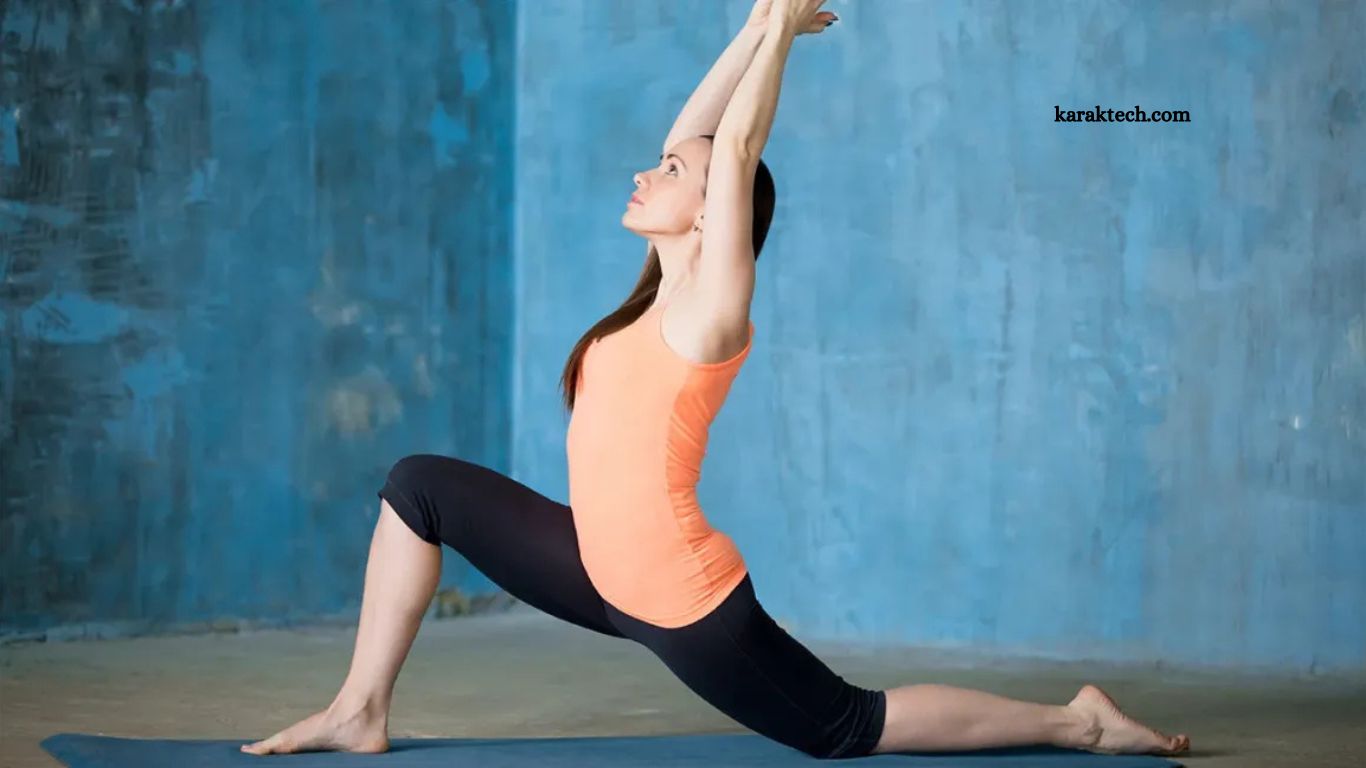
Yoga offers one of the most effective ways to build a body that feels strong, balanced, and mobile. Regular practice increases muscle endurance, joint range of motion, posture quality, and body awareness. Whether you are a beginner or an experienced practitioner,
The right yoga tips can help you improve flexibility and strength safely and efficiently. This guide covers practical yoga techniques, recommended poses, breathing strategies, and recovery methods to help you achieve better results.
Read More: How to Start Yoga at Home (Beginner’s Guide)
Why Yoga Improves Flexibility and Strength
Yoga combines controlled stretching with bodyweight resistance. This unique approach lengthens tight muscles while strengthening and stabilizing muscles throughout the body.
Flexibility Benefits
- Increases joint mobility
- Reduces muscle stiffness
- Improves posture
- Lowers injury risk
- Enhances circulation
Strength Benefits
- Builds core stability
- Strengthens arms, legs, and back
- Improves balance and coordination
- Supports healthy joints
- Enhances endurance
Consistent yoga practice develops functional strength that supports everyday movement and athletic performance.
Best Yoga Tips to Improve Flexibility and Strength
Practice Consistently
Consistency matters more than intensity. Short daily sessions produce better results than occasional long workouts.
Recommended Schedule
- Beginners: 15–20 minutes, 3–4 times weekly
- Intermediate: 30–45 minutes, 4–5 times weekly
- Advanced: 60 minutes, 5–6 times weekly
Regular practice allows muscles and connective tissues to adapt gradually.
Warm Up Before Deep Stretching
Cold muscles resist stretching and increase injury risk. Start with gentle movement to prepare the body.
Effective Warm-Up Poses
- Cat-Cow
- Child’s Pose
- Easy Twist
- Sun Salutations
A 5–10 minute warm-up improves blood flow and mobility.
Focus on Proper Alignment
Correct posture activates target muscles and protects joints.
Alignment Tips
- Keep spine long
- Engage core muscles
- Stack joints properly
- Avoid collapsing into stretches
- Distribute weight evenly
Good alignment improves both flexibility gains and strength development.
Use Breath to Deepen Practice
Breathing helps muscles relax and enhances body control.
Breathing Method
- Inhale to lengthen the spine
- Exhale to deepen stretches
- Maintain slow, steady breaths
Avoid holding your breath during challenging poses.
Hold Poses Long Enough
Staying in poses gives muscles time to release and strengthen.
Ideal Hold Times
- Flexibility-focused poses: 30–60 seconds
- Strength-building poses: 20–45 seconds
- Balance poses: 15–30 seconds
Increase duration gradually as comfort improves.
Build Core Strength
A strong core supports almost every yoga posture.
Best Core Poses
- Plank
- Boat Pose
- Side Plank
- Forearm Plank
Core stability improves balance, posture, and overall strength.
Progress Gradually
Forcing stretches can lead to strains and setbacks.
Safe Progression Tips
- Move to mild discomfort, not pain
- Increase depth slowly
- Use props when needed
- Respect body limits
Patience produces lasting results.
Use Yoga Props
Blocks, straps, and bolsters make poses safer and more effective.
Benefits of Props
- Improve alignment
- Reduce strain
- Increase accessibility
- Support deeper stretches
Props help beginners and advanced practitioners alike.
Balance Stretching and Strength Work
Combining mobility and resistance creates better body mechanics.
Balanced Practice Includes
- Standing poses
- Core exercises
- Hip openers
- Backbends
- Forward folds
This approach prevents instability and over-stretching.
Practice Both Sides Equally
Balanced training reduces muscular imbalances. Always hold poses on both sides for the same amount of time.
Downward-Facing Dog
Targets hamstrings, shoulders, calves, and arms.
Warrior II
Builds leg strength and hip mobility.
Triangle Pose
Improves hamstring flexibility and core stability.
Boat Pose
Strengthens abdominal muscles and hip flexors.
Bridge Pose
Develops glutes, back strength, and chest flexibility.
Pigeon Pose
Opens hips and reduces lower body tightness.
Chair Pose
Strengthens legs, glutes, and core muscles.
Cobra Pose
Improves spinal mobility and back strength.
Common Mistakes to Avoid
Overstretching
Pushing too hard can cause muscle strains.
Skipping Warm-Ups
Cold muscles limit flexibility gains.
Inconsistent Practice
Irregular sessions slow progress.
Poor Breathing
Shallow breathing increases tension.
Ignoring Recovery
Muscles need time to adapt and strengthen.
Nutrition Tips to Support Yoga Progress
Proper nutrition supports muscle repair and joint health.
Helpful Nutrients
- Protein for muscle recovery
- Magnesium for muscle relaxation
- Omega-3 fats for inflammation control
- Water for tissue hydration
Balanced meals improve energy and performance.
How Long Until Results Appear?
Most practitioners notice:
- Improved mobility within 2–4 weeks
- Increased strength within 4–8 weeks
- Significant changes after 3–6 months
Results depend on consistency, intensity, and recovery habits.
Sample 20-Minute Yoga Routine
Warm-Up (5 Minutes)
- Cat-Cow
- Sun Salutations
Strength Sequence (8 Minutes)
- Plank
- Warrior II
- Chair Pose
- Boat Pose
Flexibility Sequence (5 Minutes)
- Pigeon Pose
- Triangle Pose
Cool Down (2 Minutes)
- Child’s Pose
- Seated Forward Fold
Benefits Beyond Flexibility and Strength
Yoga also improves:
- Stress management
- Mental clarity
- Sleep quality
- Balance
- Energy levels
These benefits contribute to overall wellness and long-term health.
Frequently Asked Questions
How often should I practice yoga to improve flexibility and strength?
Practice yoga 3 to 5 times per week for the best results.
How long does it take to see results from yoga?
Most people notice improvements within 2 to 4 weeks of regular practice.
Which yoga poses are best for beginners?
Downward Dog, Child’s Pose, Warrior II, and Bridge Pose are excellent beginner poses.
Can yoga build muscle strength?
Yes, yoga uses bodyweight resistance to strengthen the core, legs, arms, and back.
Is yoga safe if I am not flexible?
Yes, yoga improves flexibility gradually and can be adapted to any fitness level.
Should I use yoga props?
Yes, blocks and straps help improve alignment and make poses more accessible.
Conclusion
Yoga is an effective and natural way to improve flexibility and strength at any fitness level. With consistent practice, proper breathing, and correct alignment, you can build stronger muscles, increase mobility, and enhance overall well-being. Start with simple poses, stay patient, and make yoga a regular part of your routine to enjoy lasting physical and mental benefits.
