

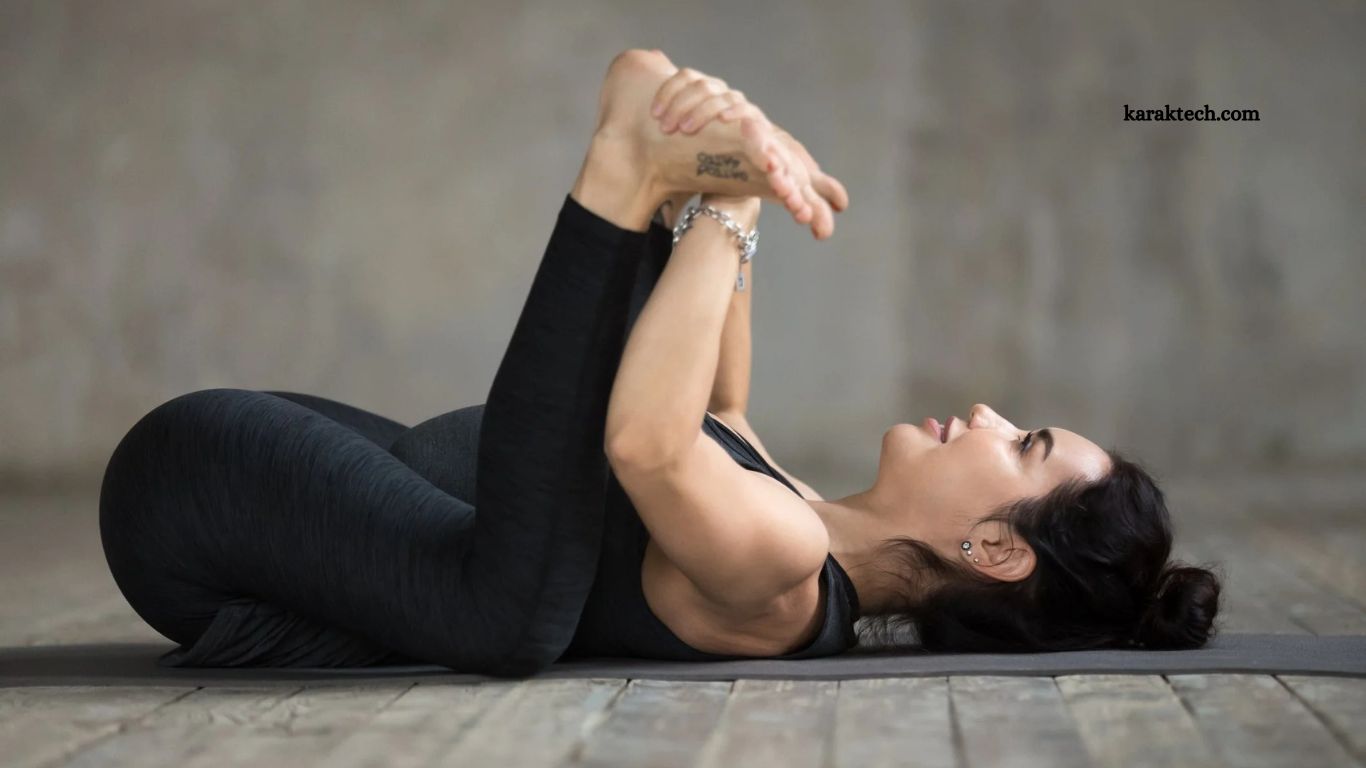
Quality sleep supports physical recovery, mental clarity, and emotional balance. Modern lifestyle often disrupts patients’ natural sleep cycle due to stress, screen exposure, and irregular routines. Yoga offers a natural method to calm nervous system, reduce tension, and prepare the body for deep rest.
This guide explains the best yoga poses for better sleep and relaxation, structured for beginners and experienced practitioners seeking improved nighttime rest.
Read More: 7-Day Yoga Challenge for Beginners: Build Strength, Flexibility, Calm in One Week
Why Yoga Improves Sleep Quality
Yoga influences the parasympathetic nervous system, responsible for the relaxation response. Gentle stretching reduces muscle stiffness, slows heart rate, and decreases cortisol levels.
Regular practice before bedtime helps:
- Release physical tension
- Calm racing thoughts
- Improve breathing rhythm
- Support melatonin production
- Enhance deep sleep cycles
Even a short 10–15 minute routine produces noticeable improvement.
Best Yoga Poses for Better Sleep and Relaxation
Child’s Pose (Balasana)
Child’s Pose delivers deep relaxation across the spine, shoulders, and hips. It promotes inward focus and emotional grounding.
Benefits:
- Relieves back tension
- Calms the nervous system
- Reduces mental stress
Practice Tip:
Hold position 1–3 minutes, focus on slow breathing through the nose.
Legs Up the Wall (Viparita Karani)
This restorative inversion improves circulation, reduces fatigue in the legs, and supports the relaxation response.
Benefits:
- Reduces swelling in legs
- Calms heart rate
- Supports nervous system recovery
Practice Tip:
Place your hips close to the wall, legs vertical, arms relaxed beside your body.
Reclining Butterfly Pose (Supta Baddha Konasana)
One of the most effective poses for bedtime relaxation opens the hips, chest, and abdomen.
Benefits:
- Releases hip tension
- Improves blood flow
- Encourages emotional release
Practice Tip:
Support knees using pillows for deeper comfort.
Supine Spinal Twist (Supta Matsyendrasana)
Gentle twisting helps spinal mobility, detoxification, and tension release.
Spinal mobility improves with gentle rotational stretch
Benefits:
- Eases lower back stiffness
- Improves digestion
- Promotes relaxation
Practice Tip:
Move slowly, avoid forcing knees to the floor.
Corpse Pose (Savasana)
Final relaxation pose, essential for nervous system reset and sleep preparation.
Benefits:
- Deep mental calm
- Full body relaxation
- Stress reduction
Practice Tip:
Stay still for 5–10 minutes, focus on a natural breathing pattern.
Cat-Cow Stretch (Marjaryasana–Bitilasana)
Gentle flow between two poses washes the rms spine and releases accumulated tension.
Benefits:
- Improves spinal flexibility
- Reduces stiffness
- Synchronizes breath with movement
Practice Tip:
Move slowly with an inhale–exhale rhythm.
Simple Night Yoga Routine for Better Sleep
A consistent sequence enhances effectiveness. Suggested routine:
- Cat-Cow Stretch: 2 minutes
- Child’s Pose: 2 minutes
- Reclining Butterfly Pose: 3 minutes
- Supine Spinal Twist: 2 minutes each side
- Legs Up the Wall: 5 minutes
- Savasana: 5–10 minutes
Total duration: 15–25 minutes
Additional Tips for Deep Relaxation
- Dim lights before practice
- Avoid heavy meals before yoga
- Maintain slow nasal breathing
- Keep the room quiet and cool
- Practice daily consistency
Frequently Asked Questions
How long should I do yoga before sleep?
10–20 minutes daily is enough for better sleep.
Which yoga pose is best for insomnia?
Legs Up the Wall and Savasana are most effective.
Can beginners do bedtime yoga?
Yes, all recommended poses are beginner-friendly.
Does yoga really improve sleep quality?
Yes, it reduces stress and calms the nervous system.
What is the best time for sleep yoga?
Right before bedtime, ideally 30 minutes before sleep.
Do I need equipment for sleep yoga?
No, only a mat or a comfortable surface is enough.
Conclusion
Best yoga poses for better sleep and relaxation provide a natural pathway toward improved rest, reduced stress, balanced nervous system. Regular bedtime yoga builds long-term sleep health, enhances recovery, and supports emotional stability. Small daily practice creates significant transformation in sleep quality and overall well-being.
