

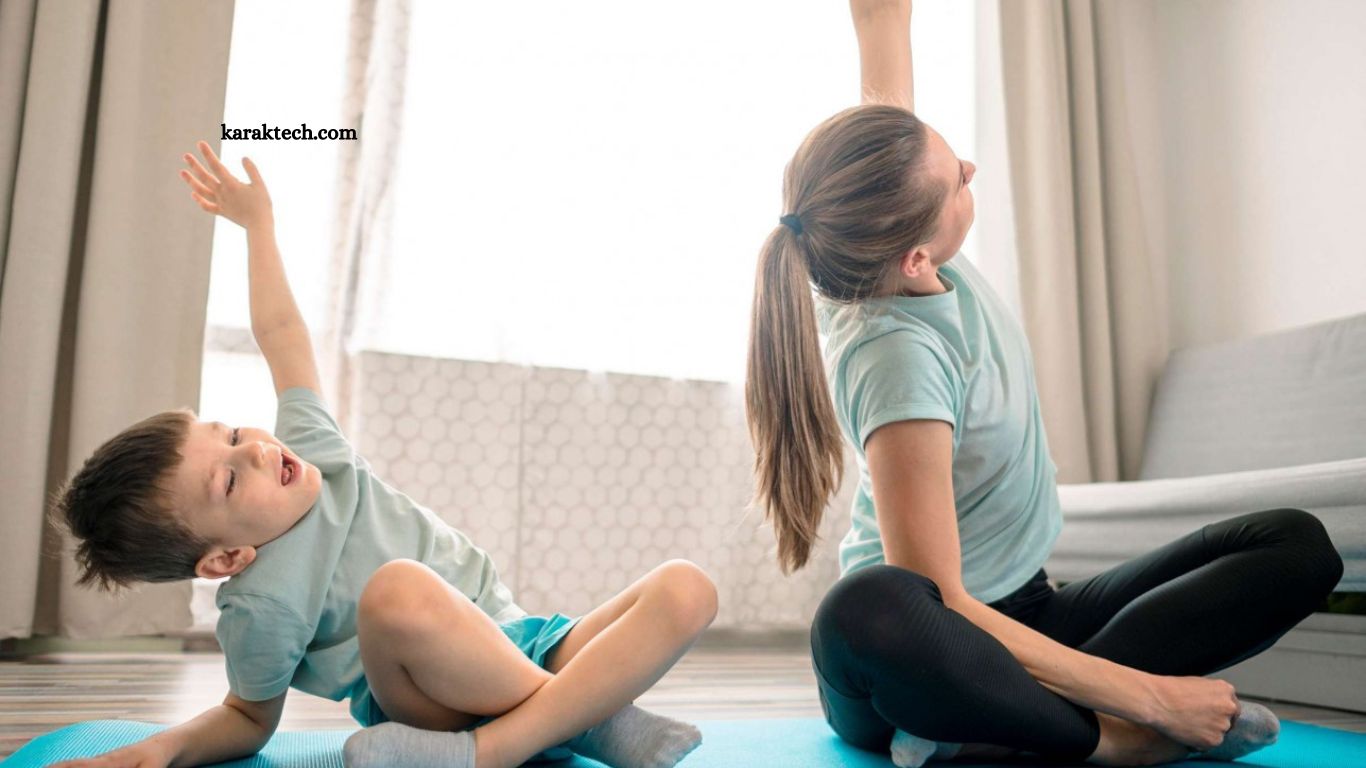
Yoga offers a simple and effective way for beginners to improve flexibility, balance, strength, and mental wellness from home. Easy yoga poses help reduce stress, support better posture, and increase body awareness without requiring expensive equipment or advanced training.
Regular practice builds confidence and creates healthy daily habits for long-term fitness and relaxation. This guide covers the 10 best yoga poses for beginners at home with simple instructions, benefits, and helpful practice tips for safe and comfortable daily yoga sessions.
Read More: Proven Tips to Boost Your Mental Well-Being
Why Yoga Practice at Home Works for Beginners
Home yoga practice creates comfort, privacy, and flexibility. Beginners can move slowly, focus on controlled breathing, and build confidence without pressure. Regular yoga sessions support:
- Better posture
- Improved flexibility
- Reduced stress
- Increased body strength
- Better sleep quality
- Higher energy levels
A yoga mat and a quiet room create enough space for starting.
Mountain Pose (Tadasana)
Mountain Pose builds posture awareness and balance. Many standing yoga poses begin here.
How to Perform
- Stand straight with feet together
- Relax shoulders
- Keep arms best the ide body
- Engage core muscles
- Take deep breaths
Benefits
- Improves posture
- Builds balance
- Strengthens legs
- Encourages mindful breathing
Child’s Pose (Balasana)
Child’s Pose creates relaxation and gentle stretching for beginners.
How to Perform
- Kneel on a yoga mat
- Sit hips toward heels
- Stretch arms forward
- Lower forehead toward mat
- Breathe slowly
Benefits
- Relieves stress
- Stretches back muscles
- Reduces tension
- Supports relaxation
Cat-Cow Pose (Marjaryasana-Bitilasana)
Cat-Cow movement improves spinal flexibility and posture.
How to Perform
- Start on hands and knees
- Inhale while arching back downward
- Lift head upward
- Exhale while rounding the ing spine
- Repeat slowly
Benefits
- Improves spinal mobility
- Reduces back stiffness
- Encourages better breathing
- Wash the body gently
Downward Facing Dog (Adho Mukha Svanasana)
Downward Dog strengthens multiple muscle groups while stretching the body.
How to Perform
- Start on hands and knees
- Lift hips upward
- Straighten legs gently
- Press heels toward the floor
- Kyour eep head relaxed
Benefits
- Strengthens arms and legs
- Improves flexibility
- Boosts circulation
- Reduces fatigue
Cobra Pose (Bhujangasana)
Cobra Pose helps strengthen back muscles and improve posture.
How to Perform
- Lie face down
- Place palms beneath the shoulders
- Lift chest slowly
- Keep elbows slightly bent
- Look forward gently
Benefits
- Strengthens spine
- Opens chest muscles
- Improves posture
- Supports flexibility
Tree Pose (Vrksasana)
Tree Pose improves concentration and balance.
How to Perform
- Stand tall
- Shift weight onto one leg
- The lace opposite the foot on the side of the thigh or calf
- Bring palms together
- Focus gaze ahead
Benefits
- Builds balance
- Strengthens legs
- Improves focus
- Enhances coordination
Bridge Pose (Setu Bandhasana)
Bridge Pose strengthens lower body muscles and supports spinal health.
How to Perform
- Lie on your back
- Bend knees
- Keep feet flat on the floor
- Lift hips upward
- Hold position briefly
Benefits
- Strengthens glutes
- Opens chest area
- Supthe ports lower back
- Improves flexibility
Seated Forward Bend (Paschimottanasana)
Forward Bend stretches hamstrings and supports relaxation.
How to Perform
- Sit with legs extended
- Keep spine straight
- Reach hands toward feet
- Bend forward gently
- Avoid forcing movement
Benefits
- Improves flexibility
- Calms mind
- Stretches legs
- Reduces stress
Warrior I Pose (Virabhadrasana I)
Warrior I develops lower-body strength and confidence.
How to Perform
- Step one foot backward, the
- Bend front knee
- Raise arms overhead
- Keep chest lifted
- Hold steady breathing
Benefits
- Strengthens legs
- Improves stability
- Builds endurance
- Enhances posture
Corpse Pose (Savasana)
Savasana completes yoga sessions with deep relaxation.
How to Perform
- Lie flyour at on your back
- Relax arms and legs
- Close eyes
- Breathe naturally
- Stay for several more minutes
Benefits
- Relieves stress
- Supports recovery
- Calms nervous system
- Improves mindfulness
Beginner Yoga Practice Tips
Successful yoga practice depends on consistency and patience. Follow these beginner tips:
- Practice 10–20 minutes daily
- Wear comfortable clothing
- Focus breathing rhythm
- Avoid forcing stretches
- Practice slow movements
- Use yoga blocks if needed
- Stay hydrated
Common Beginner Yoga Mistakes
Many beginners progress faster by avoiding simple mistakes.
Mistakes to Avoid
- Skipping warm-up movements
- Holding breath during poses
- Comparing progress with others
- Practicing advanced poses early
- Ignoring body pain signals
Safe practice always matters more than difficult poses.
Best Time for Yoga Practice at Home
Morning yoga improves energy and focus throughout the day. Evening yoga helps relaxation and better sleep. Choose a schedule matching personal routine for long-term consistency.
Frequently Asked Questions
How often should beginners practice yoga?
Beginners can practice yoga 3–5 times weekly for better flexibility and strength.
What equipment helps beginner yoga practice?
A yoga mat, comfortable clothing, and a water bottle support safe practice.
Can yoga help with weight loss?
Yoga supports weight loss by improving movement, reducing stress, and increasing activity levels.
Which yoga pose works best for relaxation?
Child’s Pose and Corpse Pose help relaxation and stress relief.
Is morning yoga better than evening yoga?
Morning yoga boosts energy, while evening yoga supports relaxation and sleep quality.
Can beginners practice yoga without instructor support?
Yes, beginners can safely practice simple yoga poses at home using guided instructions and slow movements.
Conclusion
Beginner yoga practice at home creates an easy path toward better flexibility, balance, strength, and mental wellness. Simple yoga poses help improve posture, reduce stress, and support healthy daily routines without expensive equipment. Consistent practice, mindful breathing, and patience deliver long-term results.
