

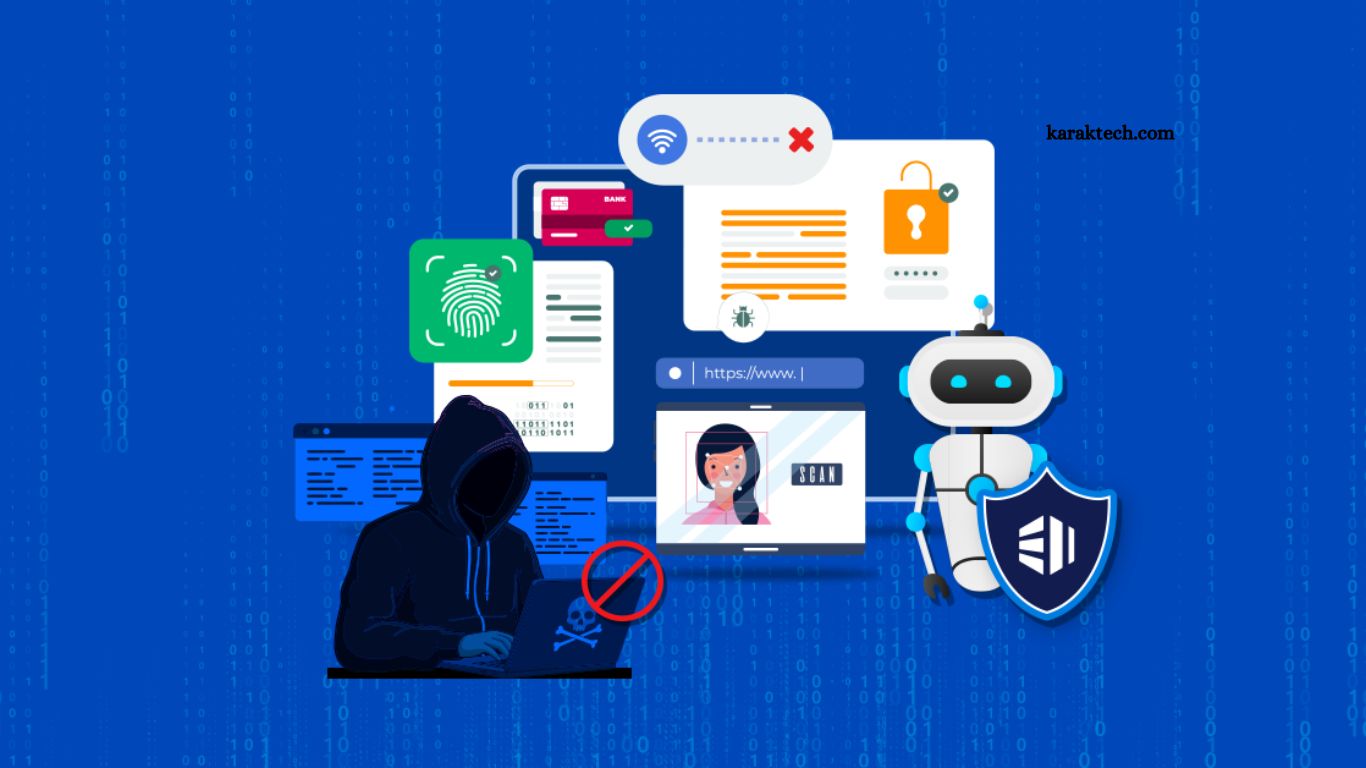
As technology advances, cybersecurity threats grow increasingly sophisticated and widespread. In 2026, businesses, organizations, and individuals face evolving risks that can compromise sensitive data, disrupt operations, and damage reputations. Cybercriminals exploit vulnerabilities in systems, networks, and human behavior, using phishing, ransomware, AI-powered attacks, and IoT device weaknesses to gain access.
Cloud environments and supply chains present additional challenges, requiring proactive strategies and continuous monitoring. Understanding common cybersecurity threats is essential for effective defense. Awareness, regular updates, employee training, and strong security protocols empower users to protect digital assets and maintain resilience against emerging cyber risks.
Read More: AI in Everyday Life: Real Examples
Phishing Attacks
Phishing remains one of the most common threats. Attackers use emails, messages, or social media to trick users into revealing credentials or downloading malicious files.
In 2026, phishing attacks leverage AI-generated content to appear authentic. Users must verify sources, avoid suspicious links, and enable multi-factor authentication to minimize exposure.
Ransomware
Ransomware attacks continue to target organizations, encrypting critical data and demanding payments. Attackers increasingly use double extortion,
Threatening to leak stolen information if demands are not met. Regular data backups, endpoint protection, and employee training reduce the impact of ransomware incidents.
Artificial Intelligence Exploits
AI technology offers efficiency but also opens new attack vectors. Cybercriminals exploit AI tools to automate attacks, generate realistic deepfakes, and bypass traditional security measures.
Organizations need AI-specific security strategies, monitoring unusual behavior, and updating AI models regularly.
IoT Vulnerabilities
Connected devices, smart home systems, and industrial IoT devices expand the attack surface. Weak passwords, outdated firmware, and unencrypted communication make IoT devices targets.
Regular updates, network segmentation, and secure device configuration mitigate potential breaches.
Cloud Security Threats
As businesses migrate operations to the cloud, misconfigurations and insecure access become significant threats. Cybercriminals exploit improperly configured storage,
Weak authentication and unmonitored access logs. Implementing zero-trust architecture, continuous monitoring, and strong identity management improves cloud security posture.
Supply Chain Attacks
Attackers target third-party vendors to compromise larger networks. Supply chain attacks in 2026 exploit software dependencies,
Cloud services and hardware components. Organizations must assess vendor security, enforce strict access controls, and conduct regular audits.
Social Engineering
Manipulating human behavior remains highly effective. Attackers use psychological tactics, impersonation, and AI-assisted interactions to bypass technical defenses. Employee awareness, reporting suspicious activity, and simulating attacks improve organizational resilience.
Frequently Asked Questions
How can individuals protect themselves from phishing attacks?
Verify email and message sources, avoid clicking suspicious links, enable multi-factor authentication, and regularly update passwords to prevent phishing attacks.
What is ransomware, and how does it work?
Ransomware is malicious software that encrypts data and demands a ransom for its release. Attackers may also threaten to leak stolen information, making prevention and backups critical.
Why are AI-powered attacks a growing concern?
AI allows attackers to automate sophisticated attacks, create realistic deepfakes, and bypass traditional security systems. Organizations need AI-specific security strategies to counter these threats.
How can businesses secure IoT devices?
Regularly update firmware, use strong passwords, encrypt communications, and segment networks to reduce the risk of IoT device vulnerabilities being exploited.
What is a supply chain attack?
A supply chain attack targets vendors, software providers, or hardware manufacturers to gain access to larger networks. Strong vendor assessments and access controls reduce exposure.
How important is employee training in cybersecurity?
Employee awareness is vital. Social engineering and phishing rely on human error, so training, simulations, and clear reporting procedures improve organizational defense.
Conclusion
Cybersecurity threats in 2026 are more advanced, diverse, and adaptive. Phishing, ransomware, AI exploits, IoT vulnerabilities, cloud threats, supply chain attacks, and social engineering require continuous vigilance. Businesses and individuals must adopt layered security,
