

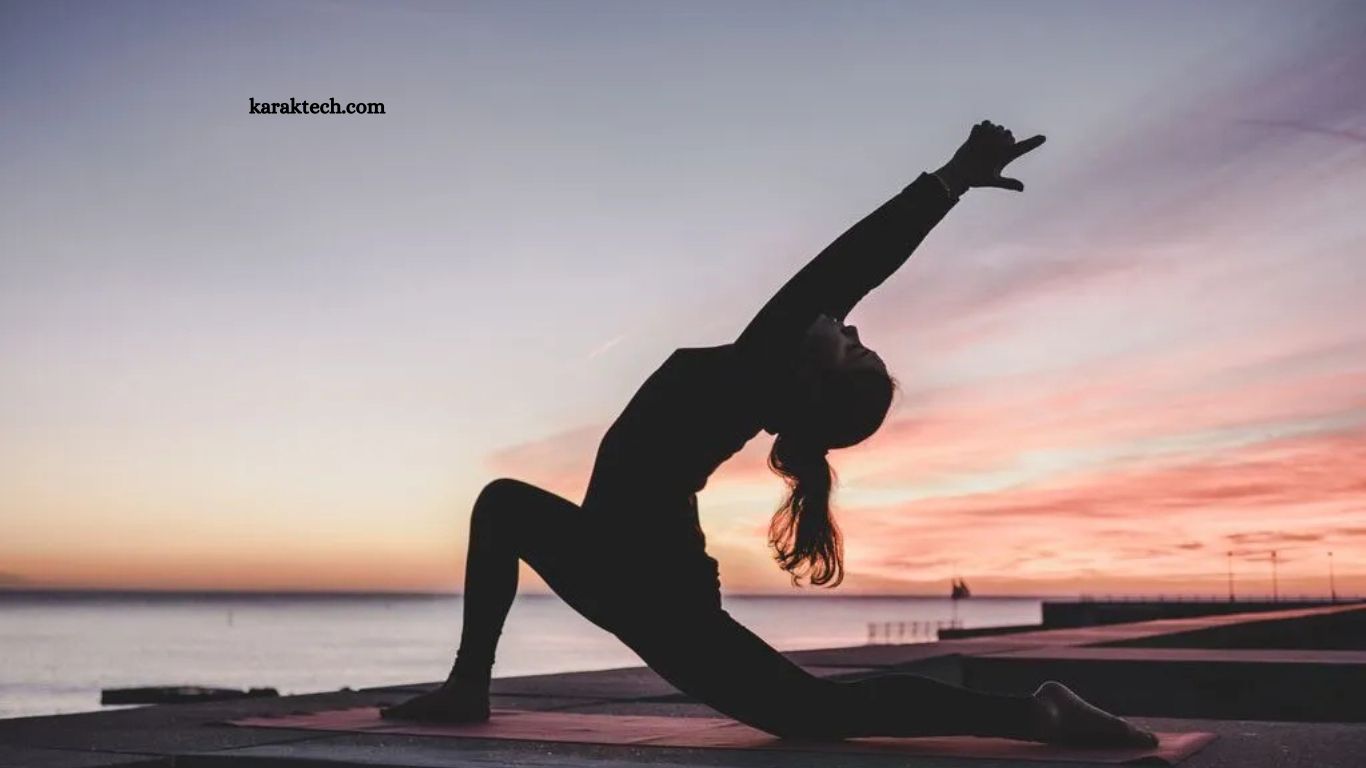
Morning yoga offers a simple, natural way to boost energy, improve flexibility, and create a positive mindset for the day ahead. Just 15 to 30 minutes of gentle stretching and mindful breathing can wake up stiff muscles, increase blood flow, and sharpen mental focus.
Whether you are a beginner or an experienced yogi, a consistent morning yoga routine can transform how you feel physically and mentally. In this guide, you will discover the best morning yoga poses for energy and flexibility, along with practical tips for building a routine that fits your lifestyle.
Read More: Easy Yoga Exercises to Reduce Stress and Anxiety
Why Morning Yoga Works So Well
Morning yoga helps the body transition from sleep to activity. During sleep, muscles tighten, and joints become less mobile. Gentle movement loosens the body and stimulates circulation, helping you feel alert and refreshed.
Key Benefits of Morning Yoga
- Boosts natural energy levels
- Improves flexibility and posture
- Reduces stiffness and muscle tension
- Enhances focus and mental clarity
- Supports healthy digestion
- Lowers stress and anxiety
- Promotes balanced mood throughout the day
Unlike caffeine, yoga creates sustainable energy without crashes or jitters.
How Morning Yoga Increases Energy
Yoga combines movement, breath control, and mindfulness. This powerful combination activates the nervous system and increases oxygen delivery throughout the body.
Energy-Boosting Effects
- Deep breathing sends more oxygen to the brain
- Stretching improves blood circulation
- Twists stimulate digestion and detoxification
- Backbends open the chest and lungs
- Mindful movement reduces mental fatigue
After a short yoga session, many people feel more awake than after coffee alone.
How Morning Yoga Improves Flexibility
Flexibility develops when muscles and connective tissues are gently stretched on a regular basis. Morning yoga targets common tight areas such as:
- Hamstrings
- Hips
- Lower back
- Shoulders
- Neck
- Calves
Daily practice increases range of motion and helps prevent injuries caused by stiffness.
Best Morning Yoga Poses for Energy and Flexibility
These beginner-friendly poses create a balanced full-body routine.
Mountain Pose (Tadasana)
Mountain Pose improves posture and encourages deep breathing.
Benefits
- Grounds the body
- Increases awareness
- Enhances alignment
- Builds focus
How to Practice
- Stand tall with feet together or hip-width apart.
- Relax your shoulders.
- Engage core muscles.
- Inhale deeply through the nose.
- Hold for 5 breaths.
Cat-Cow Stretch
Cat-Cow warms the spine and releases back tension.
Benefits
- Improves spinal mobility
- Stimulates circulation
- Relieves stiffness
How to Practice
- Begin on hands and knees.
- Inhale and arch the back (Cow).
- Exhale and round the spine (Cat).
- Repeat for 8 to 10 rounds.
Downward-Facing Dog
Downward Dog stretches the entire body and energizes the mind.
Benefits
- Lengthens hamstrings and calves
- Opens shoulders
- Strengthens arms and legs
How to Practice
- Lift hips upward from hands and knees.
- Press heels toward the floor.
- Relax the neck.
- Hold for 5 to 8 breaths.
Low Lunge
Low Lunge opens tight hips and improves balance.
Benefits
- Stretches hip flexors
- Strengthens legs
- Improves posture
How to Practice
- Step one foot forward.
- Lower the back knee.
- Raise the chest.
- Hold for 5 breaths on each side.
Cobra Pose
Cobra Pose opens the chest and stimulates energy.
Benefits
- Strengthens the back
- Expands lungs
- Improves spinal flexibility
How to Practice
- Lie face down.
- Place hands under shoulders.
- Lift the chest gently.
- Hold for 3 to 5 breaths.
Seated Forward Fold
This calming pose deeply stretches the back body.
Benefits
- Lengthens hamstrings
- Relieves lower back tension
- Promotes flexibility
How to Practice
- Sit with legs extended.
- Hinge forward from the hips.
- Relax the neck.
- Hold for 5 to 10 breaths.
Child’s Pose
Child’s Pose provides gentle recovery and mental calm.
Benefits
- Stretches the spine
- Relaxes the nervous system
- Reduces stress
How to Practice
- Sit back on heels.
- Extend arms forward.
- Rest forehead on the mat.
- Breathe deeply for 1 minute.
Sun Salutations (Surya Namaskar)
Sun Salutations combine movement and breath into an energizing flow.
Benefits
- Warms the whole body
- Builds strength
- Improves flexibility
- Increases stamina
How to Practice
Complete 3 to 5 rounds at a comfortable pace.
20-Minute Morning Yoga Routine for Energy and Flexibility
Use this simple sequence each morning.
| Pose | Time |
|---|---|
| Mountain Pose | 1 minute |
| Cat-Cow | 2 minutes |
| Downward Dog | 2 minutes |
| Low Lunge | 4 minutes |
| Cobra Pose | 2 minutes |
| Seated Forward Fold | 3 minutes |
| Sun Salutations | 5 minutes |
| Child’s Pose | 1 minute |
This routine stretches the entire body and leaves you energized for the day.
Best Time to Practice Morning Yoga
The ideal time is shortly after waking. Practicing before breakfast often feels most comfortable, but a light snack is fine if needed.
Helpful Timing Tips
- Wake up 20 to 30 minutes earlier
- Drink a glass of water
- Practice in a quiet space
- Use natural light if possible
Consistency matters more than perfect timing.
Morning Yoga Tips for Beginners
Starting small helps build a lasting habit.
Beginner Advice
- Practice for 10 to 15 minutes
- Focus on breathing
- Move slowly
- Avoid forcing stretches
- Use blocks or cushions for support
- Follow guided videos if helpful
Progress comes from regular practice, not intensity.
Common Mistakes to Avoid
Skipping Warm-Up
Always begin with gentle movements.
Holding Breath
Steady breathing supports energy and concentration.
Pushing Too Hard
Stretching should feel comfortable, never painful.
Inconsistent Practice
Short daily sessions produce the best results.
Morning Yoga and Mental Health
Morning yoga benefits more than the body. It also improves emotional well-being.
Mental Benefits
- Reduces anxiety
- Improves mood
- Increases mindfulness
- Builds resilience
- Sharpens focus
A calm morning often leads to a more productive day.
Nutrition After Morning Yoga
Healthy post-yoga foods help maintain energy.
Good Options
- Oatmeal with fruit
- Greek yogurt
- Smoothies
- Eggs
- Nuts and seeds
Hydration is equally important.
Frequently Asked Questions
How long should morning yoga last?
10 to 30 minutes is enough to boost energy and improve flexibility.
Can beginners do morning yoga?
Yes, beginners can start with simple poses and gentle stretches.
Is morning yoga better than evening yoga?
Morning yoga increases energy, while evening yoga helps relaxation.
How often should I practice morning yoga?
Daily practice delivers the best results, even with short sessions.
Can morning yoga help with stiffness?
Yes, regular stretching reduces muscle tightness and joint stiffness.
Do I need equipment for morning yoga?
A yoga mat and comfortable clothing are usually all you need.
Conclusion
Morning yoga for energy and flexibility is a simple habit that can transform your daily routine. A few minutes of stretching and mindful breathing helps wake up the body, improve flexibility, reduce stiffness, and boost mental focus. With regular practice, you will feel stronger, more energized, and ready to take on the day with confidence and balance.
